Local SEO
 Social Media
 Web Development
 Content Writing
 Web-hosting
The Significance of Crawling and Indexing
It is essential for website proprietors to comprehend these two procedures. Google won’t be aware that your material exists if it doesn’t crawl. Your material cannot show up in search results if it is not indexed. For your website to increase in exposure, traffic, and leads, both are necessary. They are important for the following reasons: Business Growth: Customers find your goods and services when you rank well in search results. Simply said, there cannot be a search if there is no crawling or indexing.How Crawling Actually Operates
A crawler looks at the following when it visits your website:- Each page’s text, pictures, and media are referred to as its content.
- Internal links: Connections to other pages that facilitate navigation on your website.
- External links are those that go to other websites.
- Technical signals: Sitemaps, meta tags, or instructions in your robots.txt file.
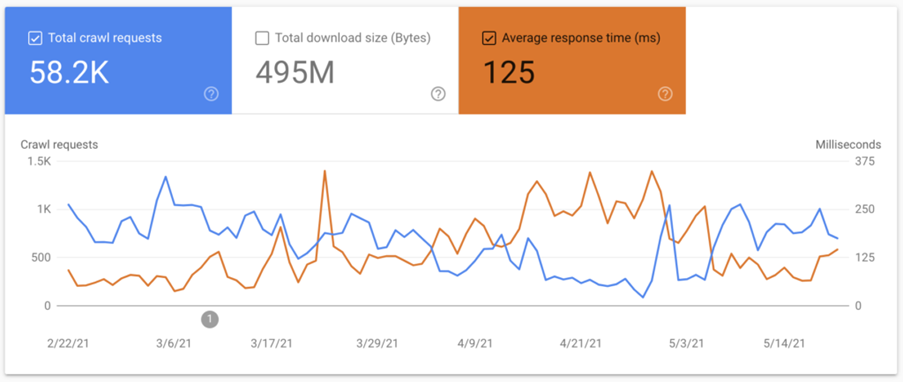
- Crawlers have a spending limit.
The Practical Use of Indexing
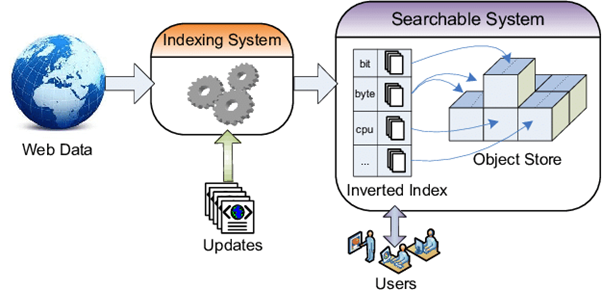
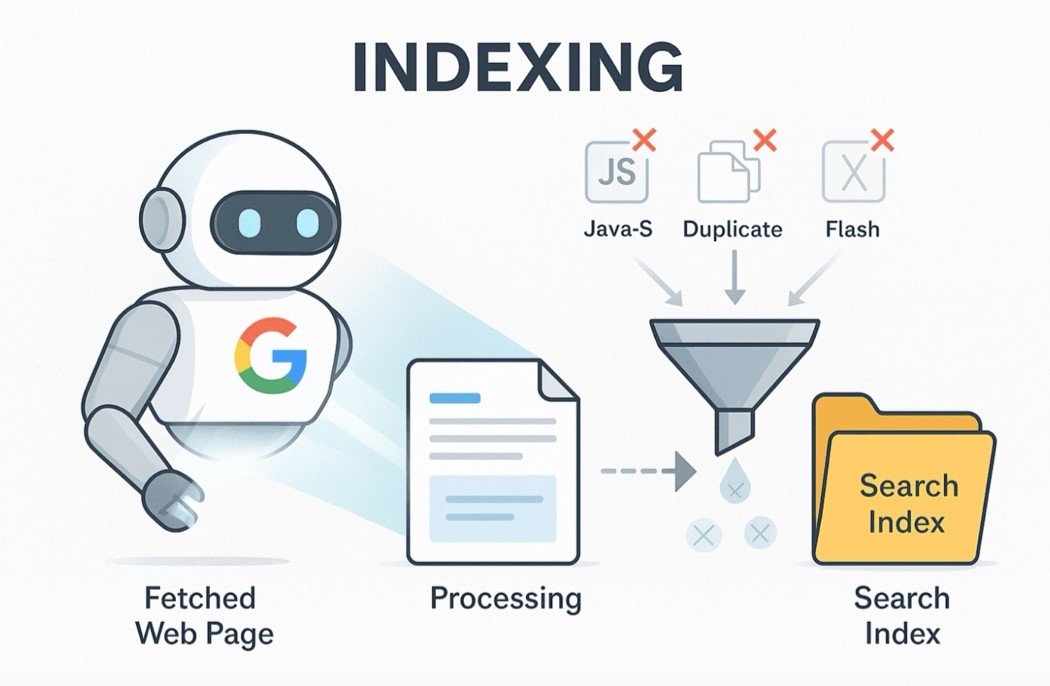
Your material is processed by the search engine after it has crawled it. It examines:- The text on the page.
- how your HTML is organised.
- metadata, such as descriptions and title tags.
- if the user’s purpose is reflected in the material.
Typical Crawling Indexing Issues
Even if your sites are crawled, they could not appear in Google’s index. Typical explanations include:- Noindex tags: If you inadvertently include a noindex meta tag, your page will not appear in search results.
- Poor quality of content: Content that is thin, redundant, or useless frequently won’t be included.
- Blocked resources: Google might not be able to fully interpret your page if crucial scripts or styles are blocked.
- Crawl mistakes: Generally speaking, pages that don’t load properly won’t be indexed.
- Titles and descriptors that are repeated: Metadata repetition can reduce visibility and mislead search engines.
How to Get Better at Crawling
- Resolve broken links: Check your website frequently for broken links and replace them.
- Boost the speed of the website: Use fast hosting, enable cache, and compress pictures.
- Create internal connections: From other sections of your website, provide links to your most crucial pages.
- Examine robots.txt: Verify that no pages that ought to be viewable are being blocked.
How to Make Indexing Better
Make sure your website is indexed once it has been crawled. Here are some important pointers:- Make use of meta descriptions and titles that are descriptive.
- Produce original material that adds value.
- Steer clear of duplicate pages or use canonical tags to combine them.
- Because Google employs mobile-first indexing, be sure your website is responsive.
- Important pages can be simply submitted for indexation in Google Search Console.
Learn more about Indexing Issues: Click Here
What Backlinks Do
In addition to increasing your authority, backlinks facilitate crawlers’ discovery of your material. Search engines have additional ways to discover and index your material when other websites link to your pages. Prioritize obtaining links from respectable American websites, including trade journals, professional groups, and local news sources.Present
The technology behind search engines is rapidly evolving. The way crawling and indexing operate may change as a result of Google’s frequent algorithm changes. Core Web Vitals and mobile-first indexing, for instance, are increasingly important ranking considerations. To stay stay up to dated:- Pay attention to reliable sources such as Moz and Search Engine Journal.
- Examine the official Search Central blog of Google.
- Make frequent changes to your website to conform to best practices.
Concluding remarks
Search engine optimization is based on crawling and indexing. No SEO strategy will be effective without them. Making your material easy for search engines to locate, comprehend, and store is crucial. Customers are considerably more likely to find you when they search when your website is both crawlable and indexable.At American SEO Agency, we help companies all across the US find crawl problems, enhance indexing, and create long-term visibility plans. We can assist you in developing a search engine-friendly website that generates traffic, regardless of the size of your business from a little neighbourhood store to a major online retailer.

Ryan F.