Local SEO
 Social Media
 Web Development
 Content Writing
 Web-hosting
4 Beginners Guide to SEO: A Clear Path to Getting Found on Google
Table of Contents
If your website is buried deep in Google’s search results, chances are potential customers won’t find you. That means lost opportunities, lost leads, and lost sales. The good news? There’s a solution that builds long-term growth, visibility, and credibility without relying solely on ads. It’s called Search Engine Optimization (SEO).
We will simplify SEO into eleven easy-to-understand and implement stages in this article. Consider it your road map clear, practical, and prepared for implementation.
1. Understand How Search Engines Work
Search engines like Google follow three basic steps: crawling, indexing, and ranking.- Crawling: Bots, sometimes referred to as spiders, search the internet for information.
- Indexing: Google stores that stuff in its index.
- Ranking: Google considers hundreds of criteria, including relevancy, speed, and trust, when determining where to display your website when a user searches..
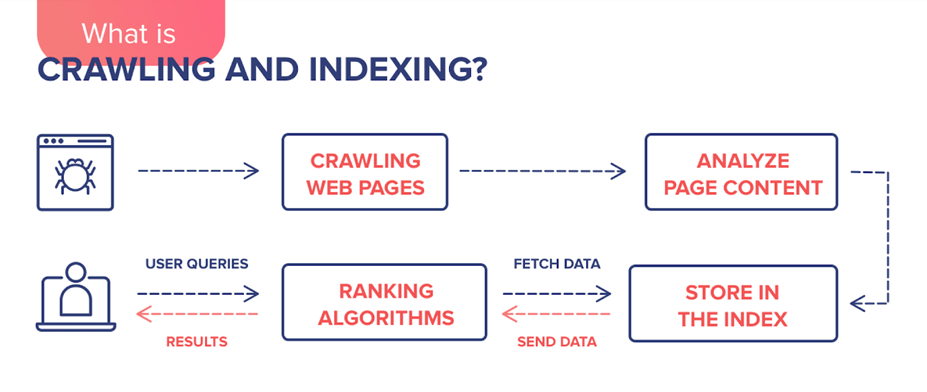
Learn more about Crawling, Indexing, and Ranking
2. Set Your Strategy
Establish goals and audiences before using any strategies. Which business outcomes leads, internet purchases, reservations, or foot traffic are more important? What does the perfect visitor need and who is the ideal guest? Prioritise three to five themes that are related to your goods or services. These subjects serve as the foundation for your content strategy and website layout.3. Do Smart Keyword Research
Keywords connect your content to the search terms that consumers use. Here’s how to pick them carefully:- Make a list of the topics your audience is interested in.
- Make use of tools like Moz Keyword Explorer, Google Keyword Planner, or Keyword Surfer to identify keywords with a high search volume and minimal competition.
- Consider the user’s purpose: are they trying to learn, buy, or browse? Make the necessary adjustments to your content.
- Take inspiration from your competitors by looking at the keywords they rank for and how you might improve.
4. Build Pages That Match Intent
Each page should have one clear purpose, don’t try to make it do everything at once. FAQs and guides are excellent resources for informational purposes. Research objective is aligned with comparison and category pages. Purchase intent is aligned with product and service websites. Service areas, contact information, and instructions should all be included on local sites. A page that is in line with searcher preferences receives more engagement, longer visits, and eventually higher ranks.5. Optimize Your On-Page Elements
In addition to making your material more readable by search engines, on-page SEO helps them comprehend it correctly. Some important things to remember are:- To encourage more visitors to click through, make sure your title tags and meta descriptions are compelling, pertinent, and easy to understand.
- H1 H2 H3 headings: Use logical titles to organise your material so the reader is guided.
- URLs & Alt Text: To help search engines understand what photos depict, use brief, informative URLs and always include alt text.
- Keywords: Make use of keywords naturally. Overcrowding them just degrades rankings and makes your material harder to read.
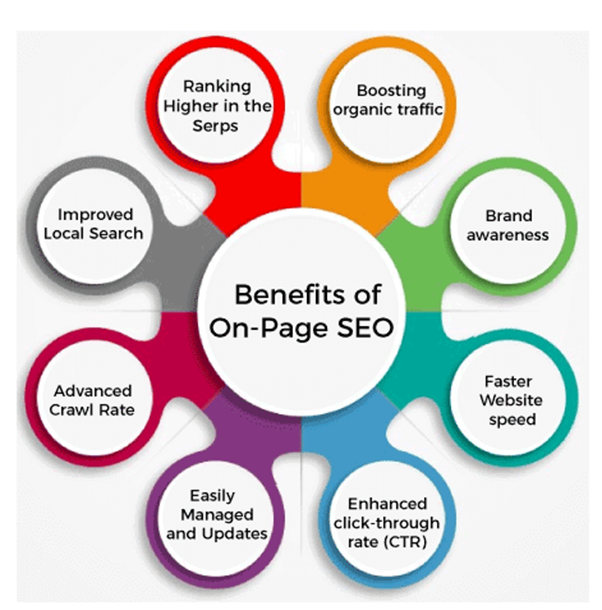
6. Set Up Technical SEO Basics
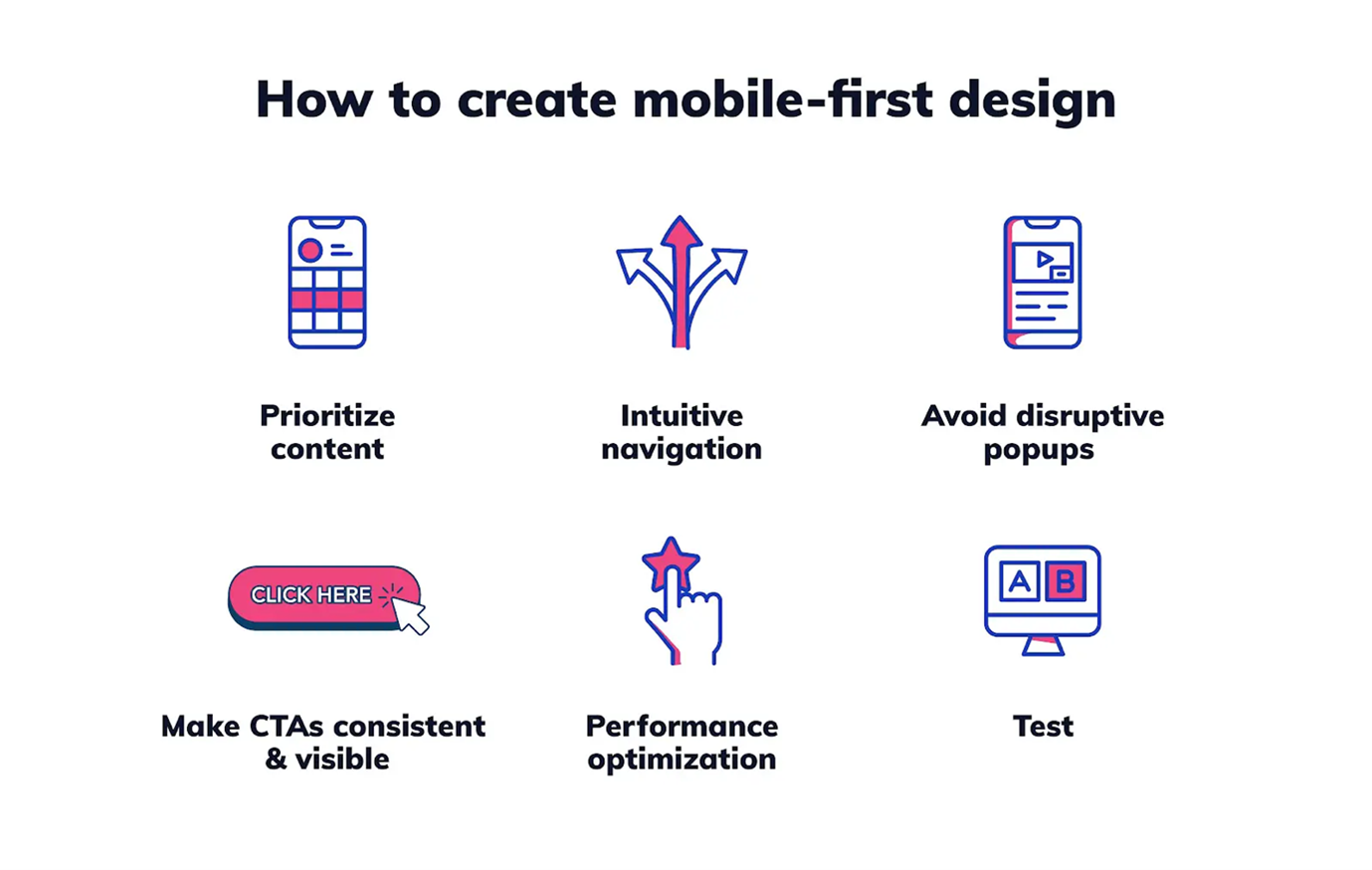
Mobile-Friendly Design: A responsive design is now required as the majority of users browse on mobile phones.- Mobile-Friendly Design: Your website needs to adjust to all screen sizes because the majority of searches are now conducted on mobile devices.
- Site Speed: Users become irritated when websites load slowly. To maintain quick load speeds, minimise complex scripts, turn on caching, and reduce picture size.
- Secure Browsing (HTTPS): Users and search engines alike are more trusting of a secure connection.
- Sitemaps and indexing: To make sure crucial pages are appropriately indexed, submit a sitemap to Google Search Console and keep an eye on crawl data.
7. Create Valuable, Helpful Content
The goal of SEO is to keep visitors interested, not simply get them in. The best approach to do that is to create high-quality, helpful content:- Post blog entries, FAQs, and how-to manuals that address actual queries from your readers.
- Keep older posts fresh by adding updated stats, new images, or examples.
- Make sure your content is something that people want to read, refer to, and share.
8. Local SEO Quick Wins
It is essential to optimize your Google Business Profile if you cater to a local audience. Make sure your company’s name, address, and phone number appear consistently across all web platforms. Choose the appropriate categories, add images, and update your profile frequently. Urge satisfied clients to write reviews, and always reply to them. Your visibility can also be enhanced by neighborhood-focused content and local directory listings.9. Build Links & Authority
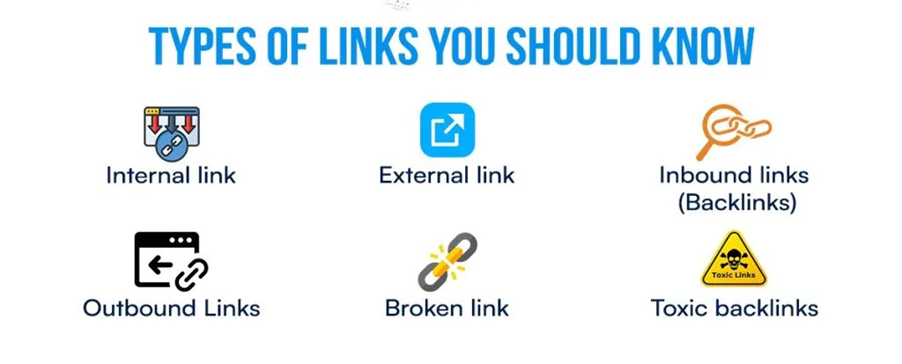
Similar to recommendations, links are seen as trustworthy by search engines. Both kinds are important:- Obtain external backlinks from reputable websites, such as trade publications or regional associations.
- Internal Links: Assist search engines in efficiently crawling your website and direct users to relevant material.
- Do not purchase links: Paid, low-quality connections may cause more harm than good.
10. Track, Analyse, and Adjust
SEO is a continuous process. Monitoring performance and making necessary modifications is the only way to get better:- To keep track of who is visiting your website, where they are coming from, and how they are interacting, use Google Analytics.
- To examine click-through statistics, crawl problems, and keyword rankings, use Google Search Console.
- See what keeps visitors interested by experimenting with user-behavior tools like heatmaps.
11. Stay Current with SEO Trends
Optimization for search engines is a dynamic process. By staying up to date, you can avoid falling behind:- Get rid of outmoded strategies like over-optimized anchor text and keyword stuffing.
- For updates, follow reputable sites like Moz and Search Engine Journal.
- Get ready for new technologies such as Core Web Vitals and voice search.
- Week 1: Establish your objectives, target audience, and main subjects. Examine your website and make a list of simple adjustments.
- Week 2: Research keywords and create a strategy for fresh or enhanced pages.
- Week 3: Make on-page changes, such as improving headlines, optimising pictures, and addressing site performance concerns.
- Week 4: publish one excellent guide, provide internal links, ask for two or three evaluations, and create tracking dashboards.
Final Thoughts
Search engine optimization is not as complicated as it may initially appear. You can create a solid basis for long-term development by concentrating on the fundamentals: knowing how search engines operate, selecting relevant keywords, creating high-quality content, creating a technically sound website, obtaining high-quality links, and monitoring your progress. Our speciality at American SEO Agency is assisting companies in converting these ideas into workable plans. We want to make it easier and less stressful for your clients to locate you online. One of the most dependable engines for the success of your business might be SEO with the correct direction.
Ryan F.